


Indonesia-based integrated interior and furnishing solutions provider, VIVERE Group, has gained expert SAP support, freedom and capacity to advance transformation on its own terms. The company selected Rimini Street as its strategic partner, benefitting from immediate cost savings, SAP support and the ability to modernise on top of its existing systems. Sutrisno Yao, Head of IT at VIVERE Group, offers further insight.
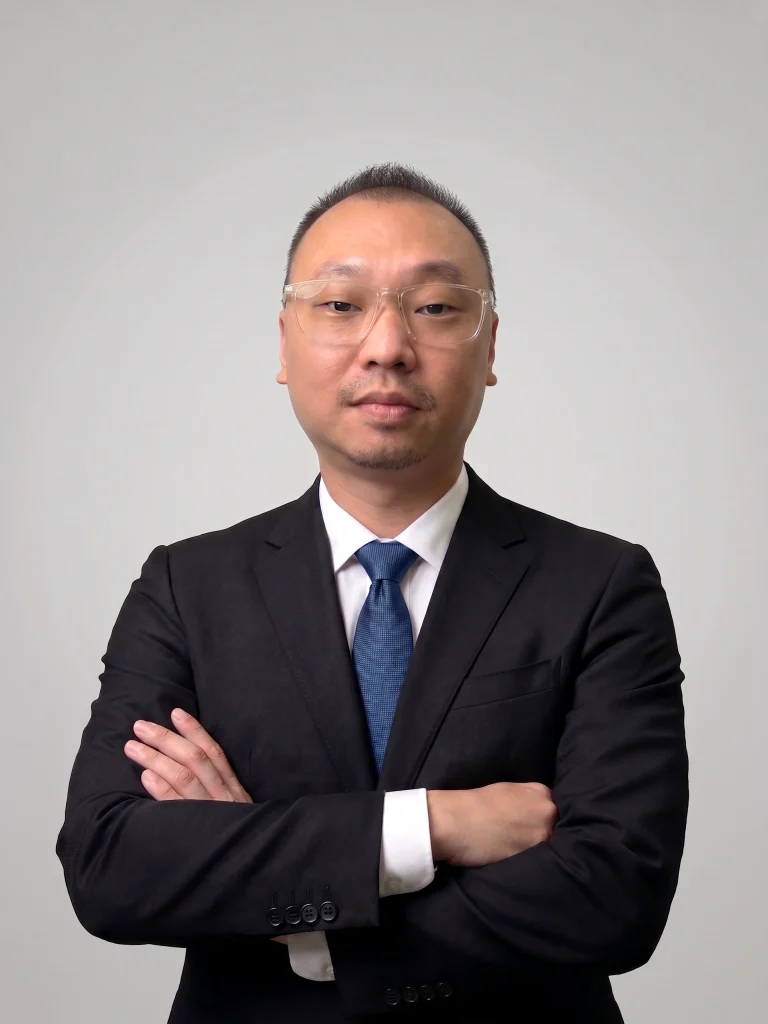
Rimini Street, the software support and Agentic AI ERP company, has announced VIVERE Group, a leading Indonesian one-stop solution provider for interior contracting, furniture manufacturing and furnishing, has selected Rimini Support for SAP to help maintain business continuity, strengthen support for its critical SAP ECC environment and free internal IT resources to focus on digital transformation initiatives.
Founded in 1984, PT Gema Graham Sarana Tbk has grown into the core company of VIVERE Group, running SAP ECC 6 on IBM Db2 as a critical platform supporting operations across project-based work, manufacturing and distribution.
Faced with the end of support for its ECC system and a push to migrate to S/4HANA, VIVERE sought the advice of Gartner on roadmap options. Based on the conversations and peer recommendations, VIVERE determined that its investments would be best allocated to innovation rather than a costly, time-consuming upgrade to S/4HANA.
“Our core philosophy is to keep people, quality and Business Continuity at the centre of our technology decisions,” said Sutrisno Yao, Head of IT at VIVERE Group. “Technology should be a practical enabler that supports reliable operations, improves processes and strengthens the business without creating unnecessary disruption.
“Rimini Street gives us confidence that our SAP environment is well supported, while giving our internal team more room to focus on improvements that help the business move forward,” said Yao.
Unlocking capacity for process improvement and future growth
As the company continues to grow and modernise, its IT team is focused on strengthening integration, improving process consistency and supporting broader digital transformation across the business.
“Our initial goal was clear: protect business continuity, strengthen SAP support and free up our internal team to focus on higher-value priorities,” Yao noted. “Rimini Street helps my team spend less time firefighting SAP and more time supporting process improvements and higher-value business needs.”
“In today’s highly competitive, volatile market, lowering the cost to operate and freeing up capital and talent is no longer a choice,” said Nancy Lyskawa, EVP and Chief Client Officer, Rimini Street. “Forward-thinking companies such as VIVERE Group are choosing Rimini Street to not only create capacity for innovation, but to deliver it.”
Sutrisno Yao, Head of IT at VIVERE Group, expands on the collaboration with Rimini Street and the wide-ranging advantages of the implementation.
Can you explain why you selected Rimini Street over other vendors to support this transition?
We heard about Rimini Street during discussions with a Gartner consultant while evaluating our options for SAP ECC and considering the path to S/4HANA. After exploring the alternatives, I felt Rimini Street offered the right balance of stability, expertise and flexibility. Rather than forcing a costly and potentially disruptive migration, it showed us a practical approach that allowed us to continue running our SAP ECC environment with confidence while focusing on business priorities.
For me, the decision was about more than support. I needed a partner that could help us protect Business Continuity, fill specialised SAP skills gaps and free my team to focus on process improvements and digital transformation initiatives. Rimini Street demonstrated a deep understanding of our goals and provided a support model that aligned with our long-term strategy. It felt less like a vendor and more like a trusted partner invested in our success.
How successful have you been in keeping people, quality and Business Continuity at the centre of your technology decisions throughout this process?
Very successful – rather than pursuing migration to S/4HANA, for now, we’re choosing an approach that prioritises stability while continuing to advance our transformation goals.
My team are now able to focus on process improvements and strategic initiatives that create value for the business. We have also significantly reduced our SAP annual support cost, allowing us to reinvest in cloud projects, integration efforts and innovation. Most importantly, we have maintained the reliability and quality of the systems our business depends on daily while building a stronger foundation for future growth.
In practical terms, how much time or budget has this shift freed up and in which areas of the business has this been invested?
We anticipate significant annual savings while also freeing up valuable time for our internal IT team. Previously, much of our effort was spent maintaining day-to-day operations and addressing SAP-related issues.
We are reinvesting both the cost savings and the additional capacity into areas that support long-term growth, including process improvements, systems integration, cloud-related projects and broader digital transformation initiatives. These investments help us improve operational efficiency, strengthen collaboration across the business and create a more scalable foundation for future growth. Most importantly, we can pursue innovation while maintaining the stability and continuity of the core systems our business depends on.
What is your strategy as Head of IT for strengthening integration, improving process consistency and supporting broader digital transformation across the business?
It is to modernise the business in a practical way by improving integration, standardising processes and enabling better decision-making across our operations. We are focused on connecting systems and data across manufacturing, distribution, project management and finance to improve visibility, reduce complexity and increase efficiency.
At the same time, we are driving process consistency through greater standardisation and automation, helping teams work more effectively across business units. We are also investing in cloud-enabled initiatives and digital transformation projects that support scalability and provide better business insights. A critical part of this strategy is maintaining a stable and reliable SAP foundation. The goal is to build a more agile, integrated and future-ready organisation that can support VIVERE Group’s long-term growth.
What higher-value priorities has your team been able to focus on since the transformation?
We have prioritised process improvement, systems integration and standardisation efforts across our business units to improve efficiency and consistency. We are also investing more time in cloud-related projects, digital transformation initiatives and enhancing business insights through better access to data and information.
Most importantly, we can take a more strategic approach to technology. Instead of reacting to operational challenges, our team is focused on supporting business growth, improving collaboration across functions and building a stronger, more scalable foundation for the future. This shift has allowed IT to play a more active role in helping the business innovate while maintaining stability.
Looking ahead, what does the future hold for VIVERE Group’s digitisation journey?
Looking ahead, our focus is on building a more integrated, agile and data-driven business. We will continue strengthening process consistency and system integration across our manufacturing, distribution, project management and finance operations to improve visibility, collaboration and decision-making.
We are also investing in cloud-enabled capabilities, automation and digital initiatives that help us operate more efficiently and scale for future growth. At the same time, we remain committed to a practical transformation strategy, one that balances innovation with operational stability.
Han Law, Regional CTO, SE Asia and Greater China, Rimini Street, offered his thoughts.
What did the transition to supporting VIVERE’s SAP ECC environment involve and were there any challenges you had to overcome together?
The transition centred on ensuring uninterrupted support for VIVERE Group’s mission-critical SAP ECC environment while giving its internal IT team greater capacity to focus on business improvement.
SAP ECC, running on IBM Db2, supports essential processes across finance, supply chain, production, sales, distribution and project management, so continuity and a detailed understanding of the company’s operating environment were paramount. Our teams worked closely to establish a clear support framework, align escalation processes and ensure VIVERE had access to the deep, application-specific expertise required for both day-to-day issues and more complex needs.
What did you learn from this partnership that you’ll apply to future collaborations with similar clients?
This partnership reinforced that successful third-party support is not simply about resolving technical tickets; it is about understanding the business context behind the system. For VIVERE Group, our approach needed to protect continuity while also helping the IT team create space for strategic priorities.
We will apply this lesson by engaging future clients early on in their business objectives, operational dependencies and transformation plans – not just their software estate.

