


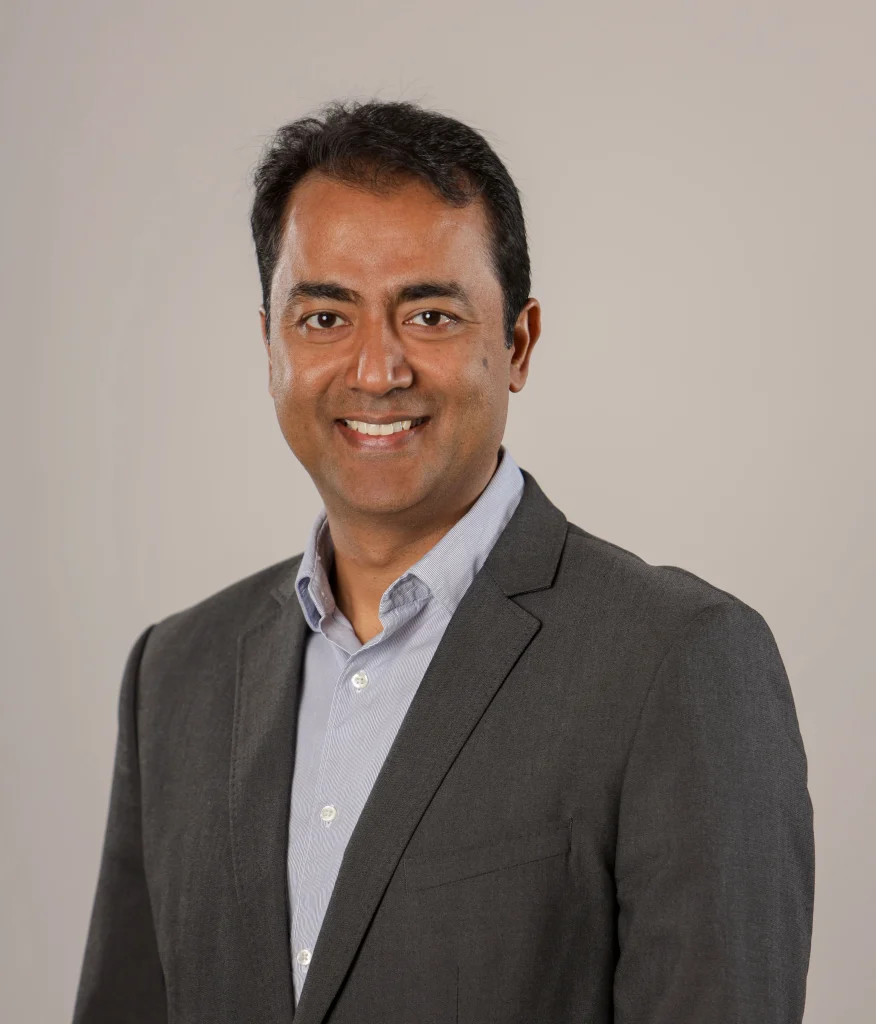
Samsung is redefining how enterprises across the Gulf connect innovation with responsibility, using intelligent ecosystems to drive both efficiency and sustainability. Shafi Alam, Senior Director and Head of Direct-to-Consumer & Corporate Marketing Division, Samsung Gulf Electronics, tells us how SmartThings Energy empowers businesses to cut costs, optimise operations and achieve long-term sustainability goals.
The future of business is connected and conscious. Across the Gulf, organisations are navigating a new balance — accelerating Digital Transformation while pursuing ambitious sustainability goals. Technology is no longer just about accessibility; it’s about bringing systems together to create real impact through insight and innovation.
At Samsung, we believe that a truly smart business ecosystem does more than connect devices. It connects purpose. Through SmartThings Energy, Samsung’s comprehensive energy management solution, we are helping enterprises reduce energy costs, optimise operations and embed sustainability into everyday decision-making.
SmartThings Energy in Action
In many commercial environments, energy data sits in silos, scattered across systems that don’t communicate. SmartThings Energy brings that information together, linking displays, appliances, air-conditioning and lighting into one intelligent network.
With AI Energy Mode, the platform analyses usage patterns and adjusts power consumption automatically across multiple systems and appliances. Cooling systems can scale output based on occupancy, while connected appliances run only when needed. These are small changes that add up to measurable savings, both for the environment and financials. The result is efficiency that anticipates rather than reacts, turning energy management into a competitive advantage.
From Data to Long-Term Sustainability
Sustainability today is not just about meeting regulations; it’s about maintaining relevance. SmartThings Energy gives enterprises real-time visibility of their energy performance, backed by data that drives better decisions.
In sectors like hospitality, retail and corporate real estate, even a slight improvement in energy efficiency can lead to meaningful outcomes. Through initiatives such as SmartThings Pro, we are showing how connected systems can deliver both economic and environmental benefits.
Samsung’s Smart Forward initiative also extends sustainability beyond the product’s first life. Regular software updates and AI-powered diagnostics help devices run longer, minimising waste and avoiding unnecessary replacements. A longer lifespan is one of the most effective forms of sustainability, and one that’s often overlooked.
Security is an essential part of this ecosystem. Every SmartThings-enabled device is protected by Samsung Knox, which provides multilayered safeguards from hardware to cloud. With features like Trust Chain for real-time verification and Knox Vault for data protection, organisations can build smarter operations on a foundation of confidence.
Technology for Responsible Growth
As Gulf nations advance toward national sustainability visions such as the UAE’s Net Zero 2050 and Qatar’s National Vision 2030, technology providers play a key role in enabling responsible growth.
At Samsung, we see this responsibility as an opportunity. By integrating intelligence into every product and platform, we help enterprises operate more efficiently and reduce their environmental footprint in line with their ESG goals. SmartThings Energy represents this approach in action — a connected system designed to make sustainability both practical and profitable.
The future of business will be defined by those who connect intelligence with responsibility. Smart ecosystems are not just improving how companies operate; they’re reshaping how success is measured. For the next generation of enterprises, sustainability is no longer a separate goal. It’s the natural result of smarter, more connected ecosystems.

