


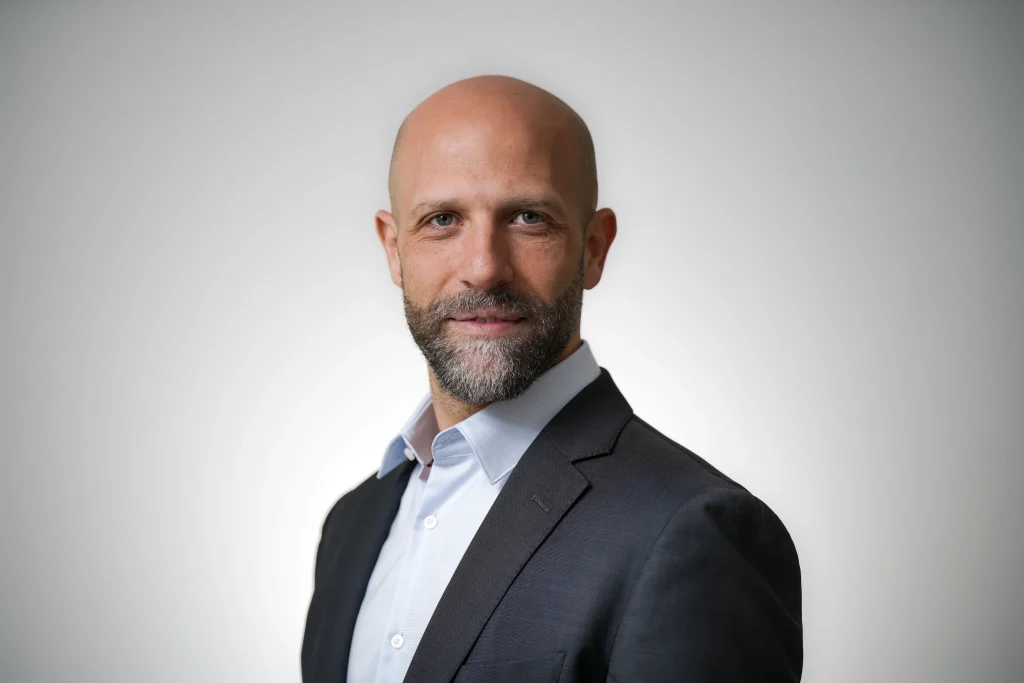
Shadow AI, AI tools operating beyond IT’s control, is really a request for speed. Gulf enterprises can answer it without giving up control, by building the right foundation, writes Ismail Ibrahim, General Manager, CEMEA, SUSE.
Across the UAE and Saudi Arabia, the question boardrooms ask about AI has changed. It is no longer “should we adopt it?” but “how do we scale it without losing control of our data, our costs, or our compliance position?” That question is urgent for good reason: IDC reports that Saudi Arabia and the UAE recorded the strongest AI infrastructure growth anywhere in the world in the final quarter of 2025, driven by government-backed sovereign AI programmes. The ambition is real. So is the exposure it creates.
The reason is a problem I call the shadow AI trap. As national AI agendas accelerate, from the UAE’s national AI strategy to the technology pillars of Saudi Vision 2030, individual business units are moving faster than central IT and security functions can govern. Marketing teams pipe customer data into public generative AI tools; developers wire proprietary code into third-party models; finance teams stand up AI pilots with little regard for where that data resides or who else can see it. Each decision is rational in isolation. Collectively, they create two compounding risks that CIOs and CISOs across the Gulf are now being asked to explain to their boards, and increasingly, to their regulators.
Risk one: sovereignty by accident, not by design
Data residency is no longer a compliance checkbox in this region; it is a strategic asset. Saudi Arabia’s Personal Data Protection Law has been fully enforceable since September 2024, and treats cross-border remote access to data as a transfer in its own right. The UAE’s own federal data protection framework sets comparable expectations. Shadow AI usage quietly undermines an organisation’s ability to meet either standard: when employees route sensitive data through unsanctioned AI tools outside the enterprise’s control, organisations lose the ability to demonstrate where that data went and who accessed it. SUSE’s own global research bears this out: in the study Navigating Digital Resilience among 309 enterprise IT leaders in five countries, 98% called digital sovereignty a top priority, yet only 52% were actually taking steps to achieve it. That gap between ambition and action is precisely where shadow AI takes hold.
Risk two: the bill implosion
The second risk is financial, and it is arriving faster than most finance teams expected. AI workloads are compute-intensive by nature, and when provisioned piecemeal, department by department, on open-ended consumption pricing, the cost curve stops looking like a line item and starts looking like a liability. Industry research puts wasted cloud spend at its highest level in five years, driven largely by AI workloads that are harder to forecast and rightsize. Once workloads and data sit inside a single provider’s ecosystem, the enterprise has effectively signed up for whatever pricing and architectural decisions that provider makes next. That is vendor lock-in by default, not by strategy.
Building the sovereign, cost-predictable alternative
Escaping this trap does not mean slowing AI adoption down. Gulf enterprises do not have that luxury, and nor should they want it. It means CIOs and CISOs getting ahead of shadow AI by giving the business a sanctioned, well-governed path to move fast, rather than leaving people to route around IT.
That starts with open, standards-based infrastructure. An AI platform built on open source foundations and portable architecture allows an enterprise to run AI workloads on-premises, in a private cloud, in a sovereign national cloud, or across a hybrid mix, and to move them again later without re-architecting from scratch. That portability turns sovereignty from a constraint into a design choice, keeping regulated data within national borders while still giving developers the self-service speed they currently seek from unsanctioned tools. In practice, it means giving developers a stable, standardized digital floor, a factory floor that everything else securely sits on, so they never feel forced to bypass IT just to move at the speed the business demands.
It also means building cost transparency into the platform rather than discovering it after the invoice arrives, and treating zero vendor lock-in as a governance principle rather than a procurement preference. The freedom to run workloads on infrastructure of an organisation’s own choosing, and to change that later, is itself risk management. That same digital floor is what keeps that freedom intact: solid enough to build on, open enough to never lock an enterprise in.
The sovereign foundation for the agentic era
As agentic AI systems move from pilot to production across the region, the stakes of getting this foundation right will only increase. Autonomous agents acting on enterprise data need an infrastructure layer that enforces where that data is processed and what it costs, by design, not by policy memo. This is exactly the conversation CISOs will be having on the sidelines of GISEC this September.
Shadow AI thrives in the gap between enterprise ambition and enterprise infrastructure. Close that gap with an open, sovereign, and cost-predictable foundation, and CIOs and CISOs can stop playing defence against their own organisations, and start leading the AI agenda their boards and regulators are asking for.

